Restaurant Equipment: A Complete Guide to Essential Tools and Kitchen Supplies
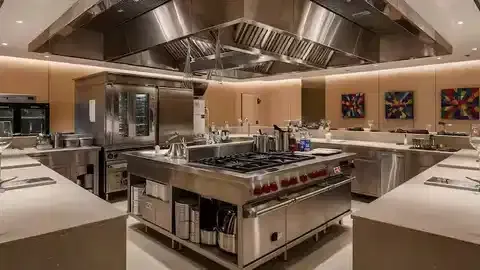
Restaurant equipment forms the foundation of every professional food preparation environment. From preparing ingredients to storing food safely and maintaining hygiene, each piece of equipment plays a specific role in daily kitchen operations. Whether in restaurants, cafés, hotels, cafeterias, bakeries, or institutional kitchens, properly selected equipment helps support efficiency, organization, and food safety.
Modern commercial kitchens rely on a combination of cooking appliances, refrigeration systems, food preparation tools, storage solutions, and cleaning equipment. As food service environments continue to evolve, innovations in energy efficiency, automation, and digital monitoring are changing how commercial kitchens operate.
Understanding restaurant equipment is valuable not only for professionals in the hospitality industry but also for students, facility managers, culinary enthusiasts, and anyone interested in how commercial kitchens function.
Understanding Restaurant Equipment
Restaurant equipment refers to the collection of appliances, machines, utensils, furniture, and storage systems designed specifically for commercial food preparation. Unlike household kitchen appliances, commercial equipment is built to handle continuous operation, larger food volumes, and stricter hygiene requirements.
Commercial kitchen equipment generally falls into several categories:
| Equipment Category | Primary Purpose | Common Examples |
|---|---|---|
| Cooking Equipment | Food preparation | Ovens, ranges, grills, fryers |
| Refrigeration Equipment | Food preservation | Walk-in coolers, refrigerators, freezers |
| Food Preparation Equipment | Ingredient processing | Mixers, slicers, processors |
| Storage Equipment | Organization | Shelving, racks, cabinets |
| Cleaning Equipment | Hygiene | Dishwashers, sinks, sanitizing stations |
| Small Kitchen Tools | Daily preparation | Knives, pans, measuring tools |
Each category contributes to maintaining workflow, food quality, and workplace safety.
Common Types of Restaurant Equipment
Commercial kitchens typically include several essential equipment groups.
Cooking Equipment
Cooking equipment includes appliances designed for preparing meals consistently.
Examples include:
- Commercial ovens
- Gas and electric ranges
- Griddles
- Charbroilers
- Steamers
- Deep fryers
- Induction cooktops
- Combination ovens
Many modern commercial kitchens use programmable cooking systems that help maintain consistent temperatures and cooking times.
Refrigeration Equipment
Cold storage helps preserve ingredients and reduce food waste.
Examples include:
- Reach-in refrigerators
- Walk-in coolers
- Walk-in freezers
- Display refrigerators
- Refrigerated prep tables
- Ice machines
Proper refrigeration supports food safety by maintaining recommended storage temperatures.
Food Preparation Equipment
Food preparation equipment helps process ingredients efficiently.
Common examples include:
- Food processors
- Commercial mixers
- Meat grinders
- Vegetable cutters
- Dough sheeters
- Slicers
- Blenders
These machines reduce manual work while improving consistency.
Storage Equipment
Storage systems improve organization and inventory management.
Examples include:
- Stainless steel shelving
- Ingredient bins
- Dry storage racks
- Mobile carts
- Storage cabinets
- Wire shelving
Proper storage also helps improve kitchen safety and cleanliness.
Cleaning Equipment
Cleaning equipment supports sanitation standards.
Examples include:
- Commercial dishwashers
- Three-compartment sinks
- Handwashing stations
- Sanitizing systems
- Waste disposal equipment
- Floor cleaning tools
Maintaining clean equipment helps reduce contamination risks.
Why Restaurant Equipment Matters
Commercial kitchen equipment affects nearly every stage of food preparation.
Its importance includes:
- Supporting food safety practices
- Improving kitchen workflow
- Maintaining consistent food quality
- Reducing preparation time
- Helping meet hygiene regulations
- Supporting energy-efficient operations
- Improving workplace organization
Food preparation environments depend on reliable equipment to maintain operational consistency throughout busy service periods.
Industries That Use Commercial Kitchen Equipment
Restaurant equipment is used across many industries beyond traditional restaurants.
These include:
- Hotels
- Hospitals
- Schools
- Universities
- Corporate cafeterias
- Bakeries
- Catering facilities
- Food production kitchens
- Cruise ships
- Event venues
Each environment requires equipment designed for different production volumes and operational needs.
Challenges Solved by Commercial Kitchen Equipment
Modern restaurant equipment addresses several common operational challenges.
| Challenge | Equipment Solution |
|---|---|
| Food spoilage | Commercial refrigeration |
| Slow preparation | Food processors and mixers |
| Uneven cooking | Programmable ovens |
| Kitchen organization | Shelving and storage systems |
| Sanitation | Commercial dishwashers and sinks |
| Inventory management | Smart refrigeration monitoring |
These solutions help maintain productivity while supporting food safety practices.
Recent Updates in Restaurant Equipment
Restaurant equipment technology has continued to evolve during 2025 and early 2026, with manufacturers emphasizing efficiency, digital monitoring, and sustainability.
Several notable developments include:
- Increased adoption of energy-efficient commercial kitchen equipment that reduces electricity and water consumption.
- Greater use of smart kitchen technology, allowing appliances to monitor temperatures, operating conditions, and maintenance needs remotely.
- Expansion of touchless sanitation equipment in food preparation areas.
- Improved induction cooking technology that offers faster heating and better energy efficiency.
- More commercial refrigeration systems using environmentally friendly refrigerants to align with updated environmental standards.
- Growing integration of Internet of Things (IoT) monitoring systems that collect operational data for equipment management.
These developments reflect the industry's focus on operational efficiency, sustainability, and food safety.
Restaurant Equipment Regulations and Food Safety Policies
Commercial kitchens operate under food safety regulations that vary by country but generally follow similar principles.
Important regulatory areas include:
Food Safety Standards
Food businesses are typically expected to maintain equipment that supports safe food preparation and prevents contamination.
Cleaning and Sanitation Requirements
Commercial kitchens generally require equipment that can be cleaned and sanitized effectively to reduce foodborne illness risks.
Temperature Control
Food safety regulations commonly specify temperature ranges for refrigeration, freezing, cooking, cooling, and reheating.
Workplace Safety
Kitchen equipment must often comply with workplace safety standards covering electrical systems, ventilation, fire prevention, and emergency procedures.
Environmental Regulations
Many countries encourage or require energy-efficient appliances and environmentally safer refrigeration technologies.
Examples of regulatory organizations include:
| Country/Region | Regulatory Authority |
|---|---|
| United States | FDA Food Code, OSHA |
| United Kingdom | Food Standards Agency (FSA) |
| European Union | European Food Safety Authority (EFSA) |
| Canada | Canadian Food Inspection Agency (CFIA) |
| Australia | Food Standards Australia New Zealand (FSANZ) |
Businesses should always follow local regulations applicable to their location.
Helpful Tools and Resources
Several digital resources help professionals understand commercial kitchen equipment, food safety, and kitchen planning.
| Resource | Purpose |
|---|---|
| Energy efficiency calculators | Estimate equipment energy usage |
| Kitchen layout planning software | Design commercial kitchen workflows |
| HACCP planning templates | Support food safety documentation |
| Equipment maintenance schedules | Track preventive maintenance |
| Temperature monitoring apps | Record refrigeration temperatures |
| Inventory management software | Monitor ingredient storage |
| Digital cleaning checklists | Organize sanitation tasks |
Useful resource categories include:
- Food safety guidance websites
- Government health department resources
- Commercial kitchen planning guides
- HACCP documentation templates
- Energy efficiency assessment tools
- Preventive maintenance checklists
These resources support better equipment management and regulatory compliance.
Best Practices for Maintaining Restaurant Equipment
Regular maintenance helps commercial kitchen equipment perform efficiently over time.
Recommended practices include:
- Clean equipment after each use according to manufacturer instructions.
- Inspect electrical connections regularly.
- Monitor refrigeration temperatures consistently.
- Replace worn seals and gaskets when necessary.
- Lubricate moving components where recommended.
- Schedule preventive maintenance inspections.
- Keep ventilation systems clean.
- Maintain accurate maintenance records.
Preventive care can reduce unexpected downtime while supporting food safety standards.
Emerging Technologies in Commercial Kitchens
Technology continues to influence commercial kitchen operations.
Some emerging innovations include:
- Artificial intelligence for kitchen monitoring
- Smart refrigeration alerts
- Automated cooking systems
- Digital recipe management
- Predictive equipment maintenance
- Connected temperature sensors
- Cloud-based inventory tracking
- Energy monitoring dashboards
These technologies are helping kitchens improve operational visibility while supporting sustainability goals.
Frequently Asked Questions
What is restaurant equipment?
Restaurant equipment refers to commercial-grade appliances, machines, tools, storage systems, and furniture used for preparing, cooking, storing, and serving food in professional kitchens.
Why is commercial kitchen equipment different from household appliances?
Commercial equipment is designed for higher workloads, longer operating hours, increased durability, and compliance with commercial food safety standards.
What are the most essential categories of restaurant equipment?
The primary categories include cooking equipment, refrigeration systems, food preparation equipment, storage solutions, cleaning equipment, and small kitchen tools.
How does restaurant equipment support food safety?
Proper equipment helps maintain safe food temperatures, reduces contamination risks, supports effective cleaning, and enables compliance with food safety regulations.
What trends are shaping commercial kitchen equipment today?
Current trends include energy-efficient appliances, smart kitchen technology, digital temperature monitoring, environmentally friendly refrigeration systems, automation, and predictive maintenance technologies.
Conclusion
Restaurant equipment plays a vital role in commercial food preparation by supporting safety, organization, efficiency, and consistent operations. From cooking appliances and refrigeration systems to food preparation machines and sanitation equipment, each component contributes to the smooth functioning of professional kitchens.
As commercial kitchens continue adopting smart technologies, energy-efficient appliances, and digital monitoring systems, understanding restaurant equipment becomes increasingly important for hospitality professionals, students, facility managers, and anyone interested in modern food service operations. Staying informed about equipment categories, maintenance practices, food safety regulations, and industry trends helps create safer and more efficient kitchen environments.

Related Post...

Corporate Food Services: A Complete Guide to Workplace Dining Solutions
Updated: August 14, 2026
Read More
A Complete Guide to Warehouse Management Systems in Modern Logistics
Updated: July 20, 2026
Read More